'/%3E%3C/svg%3E)


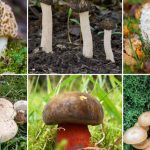
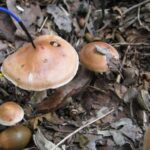
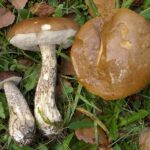


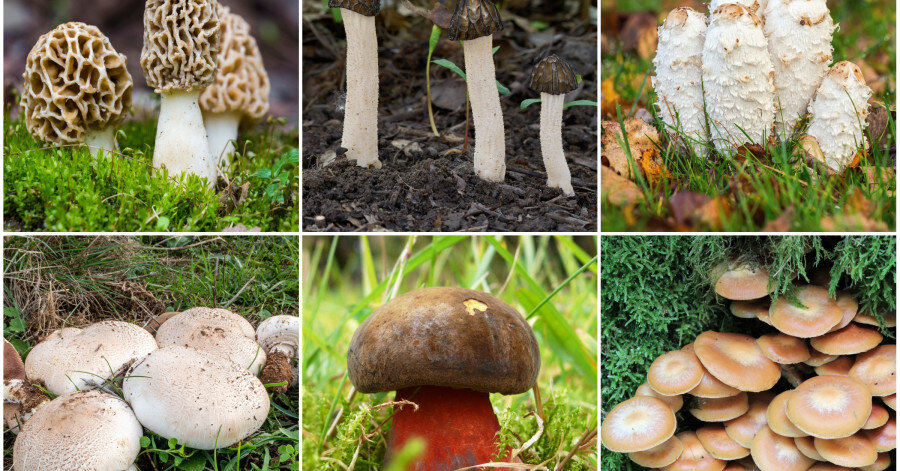
If you decide to head out into nature at the end of May, pay attention to a few species that are currently thriving. It is important to remember that the spring forest does not forgive mistakes, so you should only collect those gifts of nature that you are one hundred percent sure about.
The true morel is perhaps the main spring trophy. It looks, to put it mildly, peculiar – its cap resembles a sponge or a walnut kernel more than a mushroom in the usual sense. But do not let this deceive your taste. Look for them in deciduous forests, especially where there are many poplars, aspens, or alders. Check sun-warmed clearings and glades. There is one serious nuance: do not confuse the true morel with its unpleasant lookalike, the false morel. The latter has a more fleshy, convoluted cap that is actually very close to the shape of a brain or a walnut kernel.
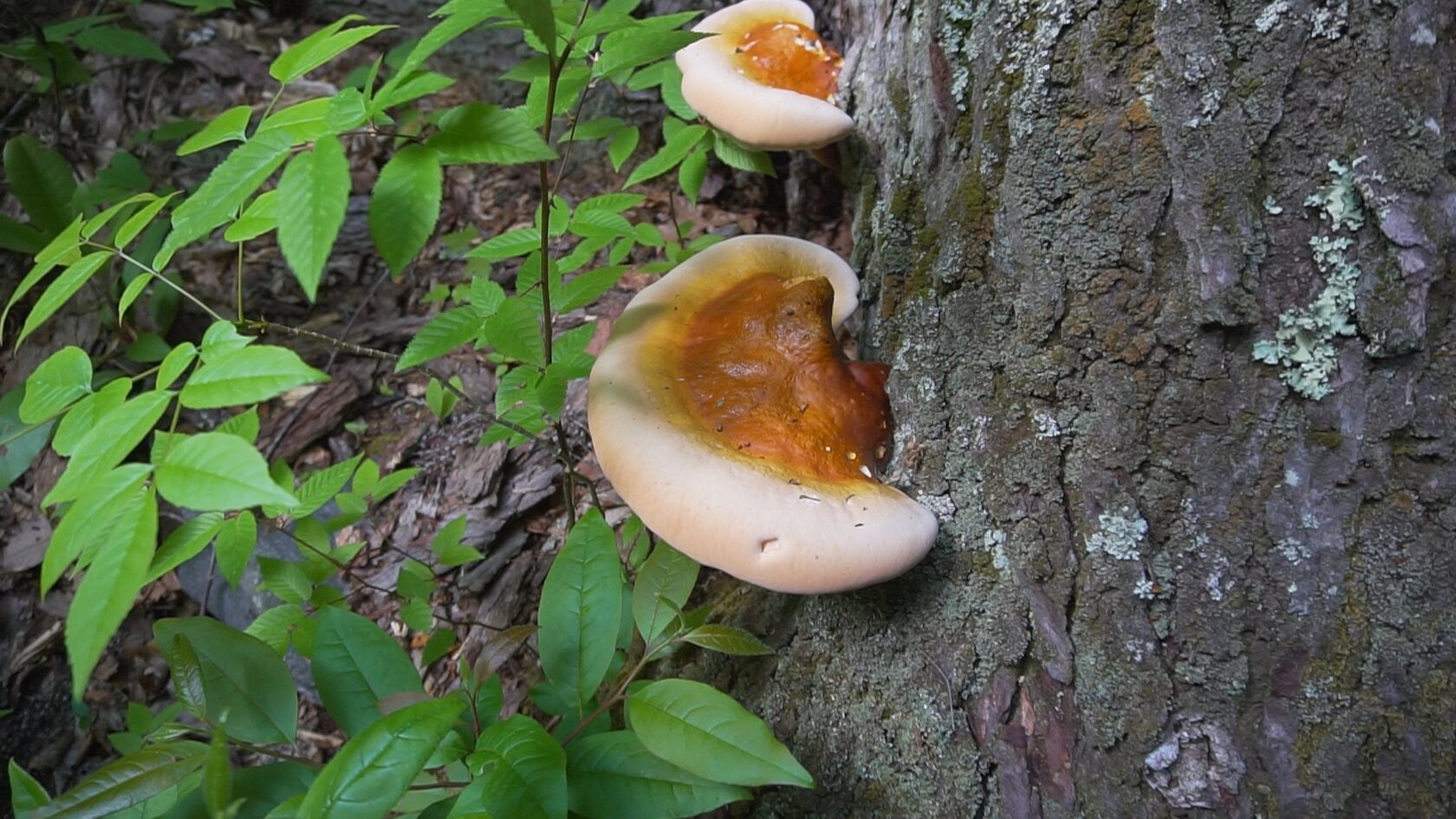
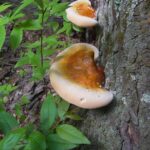
The dryad’s saddle, or pheasant’s back, is a real gift for those who love mushrooms with a distinct aroma. It grows on trees, both living and fallen. It has a characteristic yellowish cap with dark scales. The most important secret of this mushroom lies in its age. You should only collect young specimens. Checking this is simple – try pressing the stem. If it is soft and pliable, you can take it. If it feels like cork or wood, the mushroom is already old, tough, and will leave an unpleasant aftertaste.
The oyster mushroom is a classic that many are used to seeing in supermarkets, but wild forest oyster mushrooms are a completely different level of pleasure. They love to settle in large groups on old stumps and fallen trunks. They are easy to recognize by their funnel shape and gills that run down the stem. A big plus of the oyster mushroom is that it has almost no dangerous lookalikes, so the risk of making a mistake is kept to a minimum.
The puffball is often confused with other small fungi, but it can reach quite impressive sizes, up to thirty centimeters in diameter. It loves open spaces, meadows, and fields. It is best collected while it is still very young and white inside, like dense cottage cheese. After the May rains, it begins to grow actively. Most importantly, make sure it is not a false puffball – the flesh of those turns red quickly when cut and smells like raw potatoes.
The horse mushroom is often a surprise to those who think they only grow in garden beds. You can find them in well-lit clearings, sometimes even in nettles. Externally, they look very similar to store-bought ones, but you need to know how to distinguish them from poisonous counterparts. Remember that the flesh of toxic lookalikes turns yellow when pressed, and the stem turns brown at the cut. Furthermore, bad mushrooms are given away by a pharmacy-like smell, something like iodine or medicine.
What every mushroom picker should keep in mind
Spring hunting is not so much about quantity as it is about enjoying the process and being attentive. Competition in the forest is low right now, so the chances of finding something worthwhile are much higher than at the height of the season. But the forest in spring requires special caution – the ground may still be damp, and taking your time will help you notice things that others might have missed.
If you are a beginner, the rule remains the same – do not take anything if you have even a drop of doubt. It is better to return home with an empty basket than to risk your health. I wish you pleasant walks and a successful hunt.