'/%3E%3C/svg%3E)



Foraging for wild edibles is currently experiencing a true renaissance. It is no longer just a way to stock up on food for the winter, but a mindful hobby, a method of stress relief, and an opportunity to connect with nature. However, in 2026, classic mushroom guides require important adjustments. The climate is changing, artificial intelligence is integrated into our smartphones, and science has dispelled many old foraging myths.
Let’s break down what modern, safe, and eco-friendly “quiet hunting” looks like today.
1. How Climate Change Rewrote the Forager’s Calendar
While mushroom seasons used to be strictly tied to specific months, experienced foragers today rely on weather patterns rather than the calendar. Global warming and seasonal shifts have led to the following changes:
-
Shifts in fruiting periods: Autumn species (such as porcini and honey mushrooms) increasingly appear much later—in late October or even November if the autumn is warm and prolonged.
-
Species migration: Thermophilic (heat-loving) species are moving north. For example, Caesar’s mushroom (Amanita caesarea), which traditionally grew in the southern regions of Europe and the Caucasus, is now increasingly found in more temperate latitudes.
-
“Explosive” growth after droughts: Due to frequent summer droughts, the mycelium remains dormant for an extended period. But as soon as heavy precipitation occurs against the backdrop of a sharp drop in day and night temperatures (the so-called temperature shock), a massive flush of fruiting bodies occurs. It is crucial for the modern forager to track these specific weather windows.
2. Digital Foraging: AI in the Woods—Friend or Foe?
Today, everyone has a smartphone in their pocket with object recognition apps (like iNaturalist, PictureMushroom, etc.). Artificial intelligence does a great job with plants, but the situation with mushrooms is quite different.
Why you shouldn’t trust AI with your life: Neural networks analyze images pixel by pixel, focusing on shape and color. But mushroom identification often requires data that a camera simply cannot convey:
-
Smell: For instance, the poisonous Yellow Stainer (Agaricus xanthodermus) smells of carbolic acid (ink or hospital disinfectant), while the edible meadow mushroom smells of anise or almonds.
-
Color change on cutting: Many species turn blue, red, or black when exposed to oxygen.
-
Spore print: Mycologists make the final verdict in doubtful cases based on spore color.
-
Hidden details: The most crucial identifying mark of the deadly Death Cap (Amanita phalloides) is the volva (a “sac” at the base of the stem), which is often hidden under leaves or soil. The phone’s camera simply won’t see it.
How to use apps correctly: Use AI only as a starting point. If the app says you have found an edible mushroom, you must cross-reference it with reliable field guides, studying all the characteristics of its dangerous look-alikes. The golden rule of foraging remains unchanged: if you are not 100% sure, do not pick it.
3. Underappreciated but Safe Species (for Beginners and Gourmets)
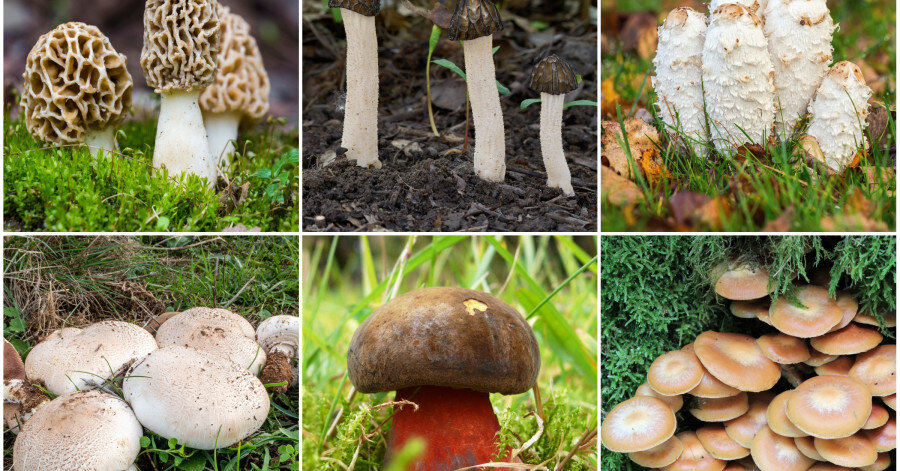
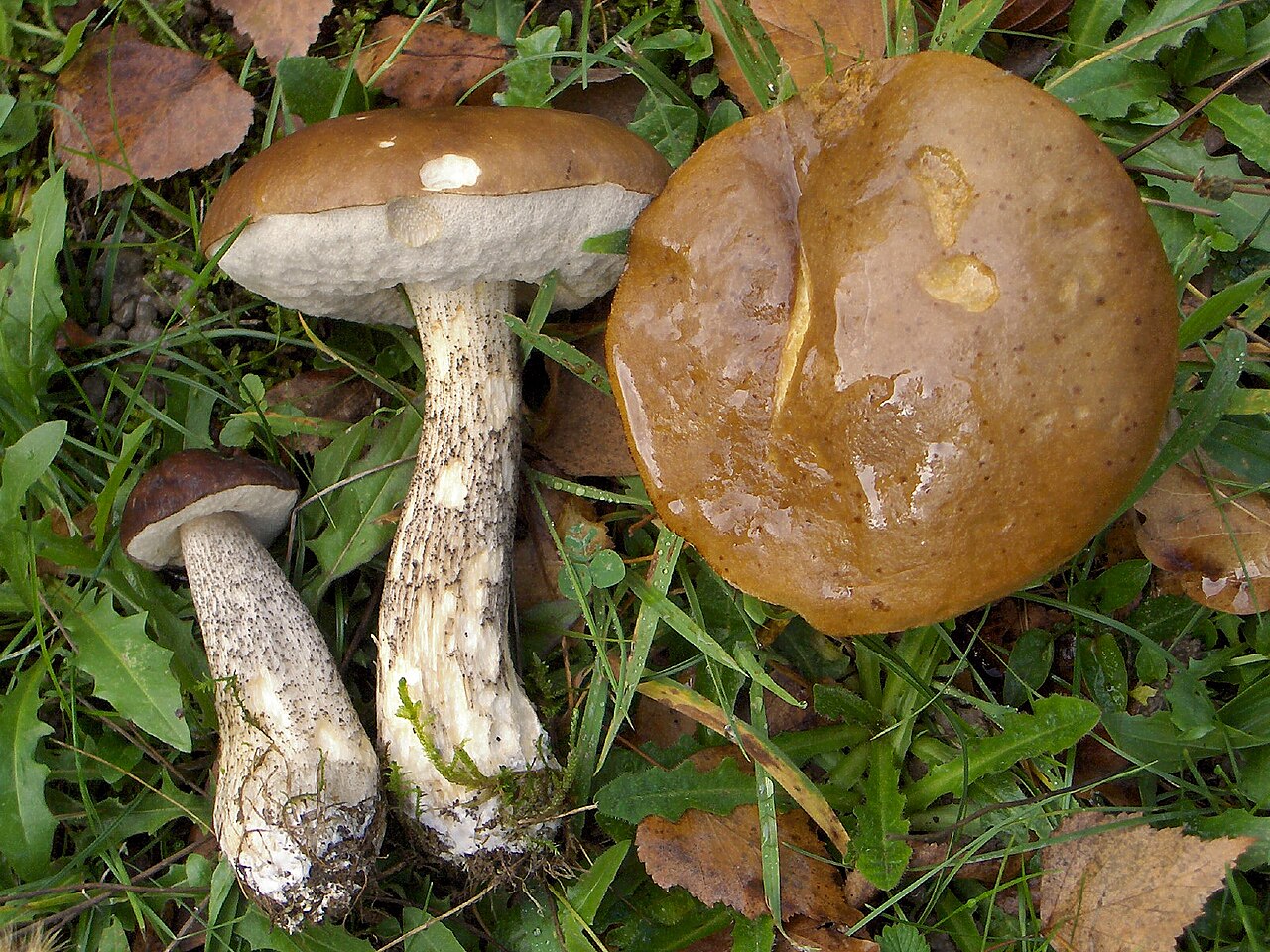
Many foragers only pick tubular mushrooms (porcini, scaber stalks, slippery jacks) and chanterelles, fearing gilled mushrooms. However, the forest is full of easily recognizable and incredibly delicious species that have no poisonous look-alikes.
-
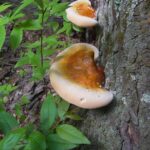
Chicken of the Woods (Laetiporus sulphureus): As the name suggests, this mushroom grows on trees and features a bright yellow-orange color. Only young, soft fruiting bodies should be harvested. In terms of texture and taste when fried, it strikingly resembles chicken breast. Important rule: avoid specimens growing on coniferous trees (they can absorb essential oils and cause GI distress); only harvest from deciduous hardwoods like oak or willow.
-
Hedgehog Mushroom (Hydnum repandum): A relative of the chanterelle, but instead of gills, it has fragile spines (teeth) under the cap. It is almost never infested with maggots, has an excellent nutty flavor, and has no poisonous analogues.
-
Parasol Mushroom (Macrolepiota procera): A large mushroom on a tall stem with a characteristic ring that easily slides up and down. The caps of young parasols, when battered and fried, are considered a delicacy and taste like a tender schnitzel.
4. The Science and Ethics of Harvesting: Cut or Pull?
This is the oldest debate among foragers. A massive 29-year study conducted in Switzerland (at the La Chanéaz mycological reserve) finally put an end to it. Scientists regularly harvested mushrooms in control plots using three methods: cutting, pulling/twisting, and leaving them untouched.
The scientific verdict: The harvesting method does not affect future yields or the health of the mycelium. The mycelium network is located deep underground and covers a vast area. The fruiting body (the mushroom itself) is just the “apple on the apple tree.”
However, there are other important ethical rules:
-
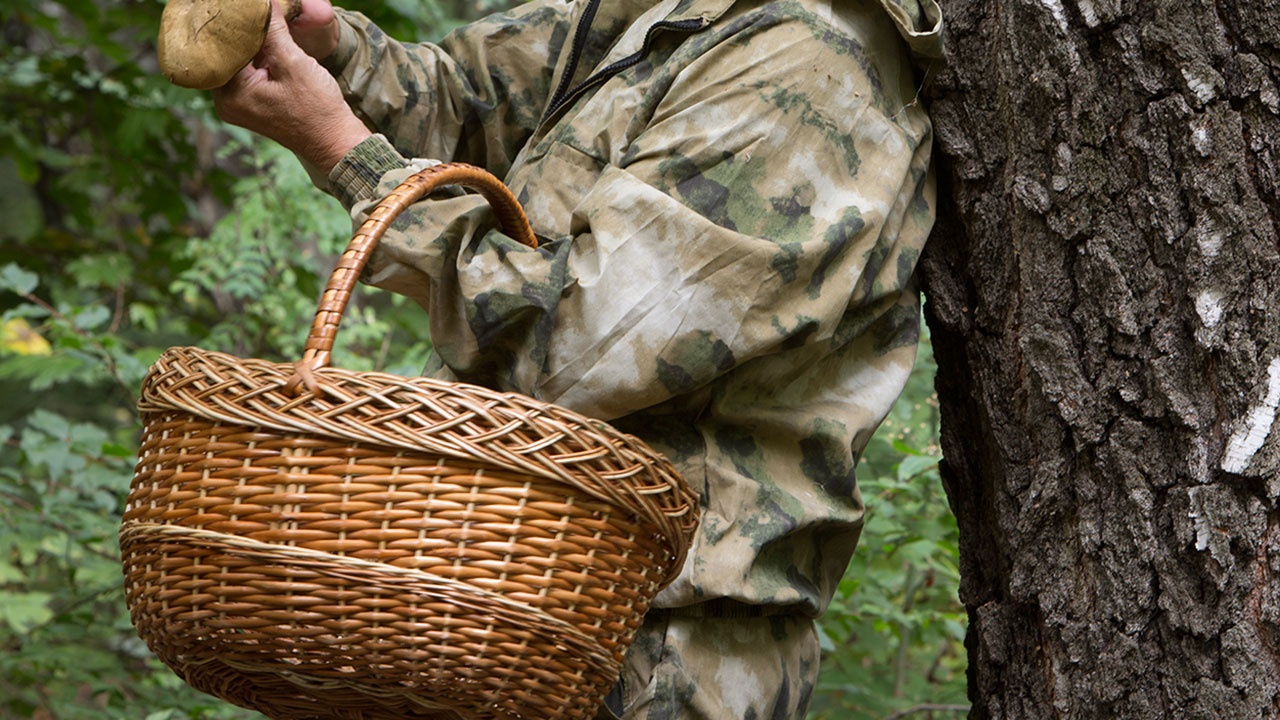
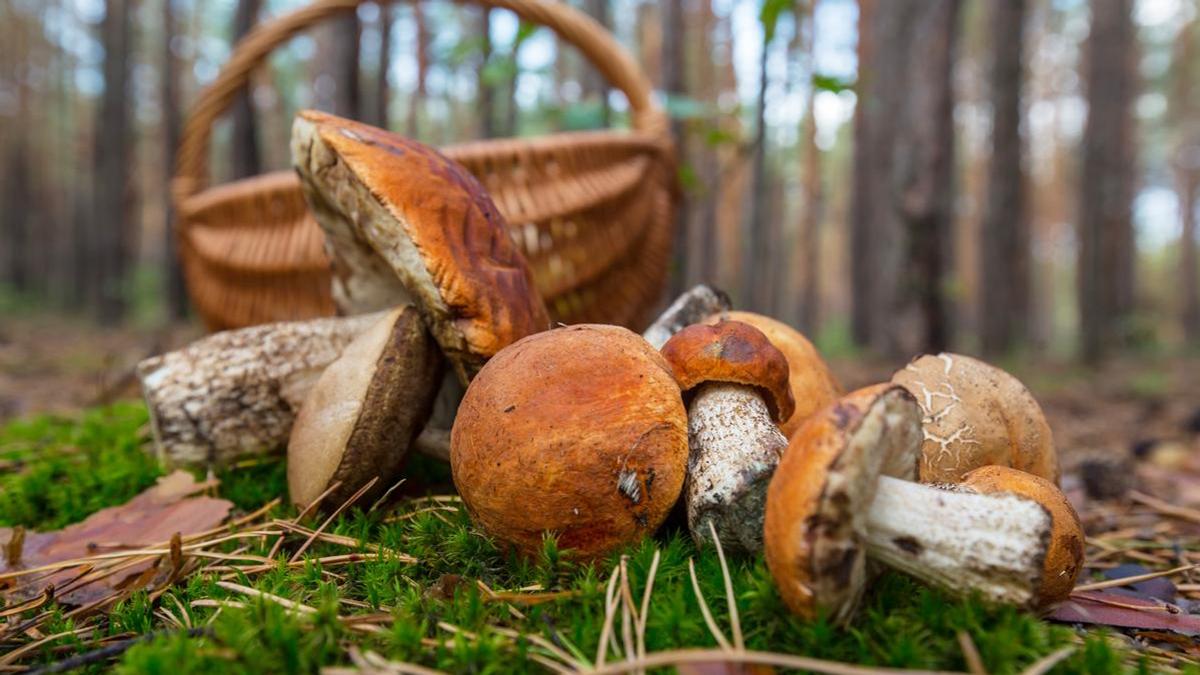
Use a basket, not a bag. Picking into plastic bags causes the mushrooms to “suffocate,” get crushed, and bacteria begin to multiply rapidly. A woven basket allows the mushrooms to breathe, and most importantly, spores fall through the gaps onto the ground as you walk through the forest, seeding new areas.
-
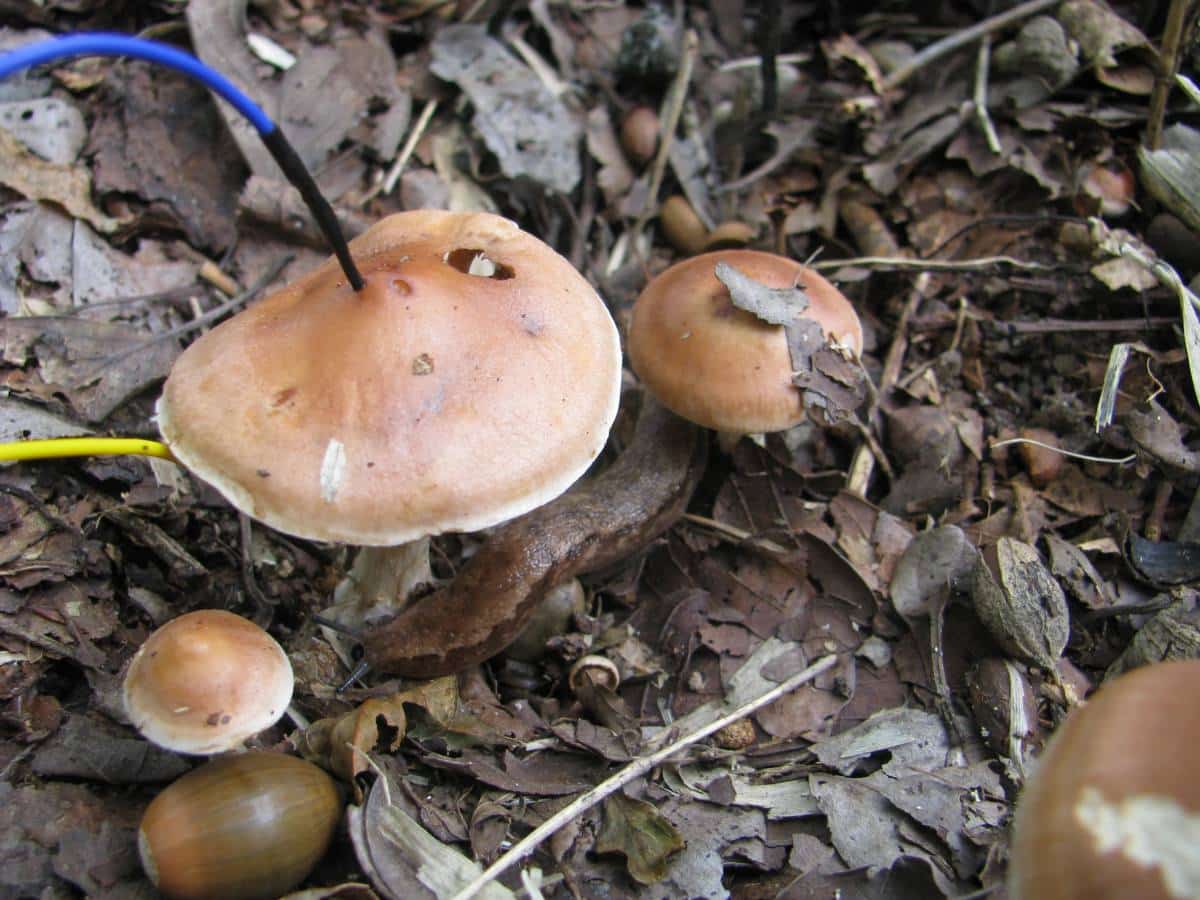
Leave the old ones behind. Overgrown, flabby mushrooms have no culinary value (toxins from protein breakdown accumulate in them), but they are critically important for the forest ecosystem as a source of spores and food for insects.
-
Field dress in the woods. Brush the dirt off the stem right where you picked it. This not only keeps your basket clean but also leaves a piece of the mycelium base in its native environment.