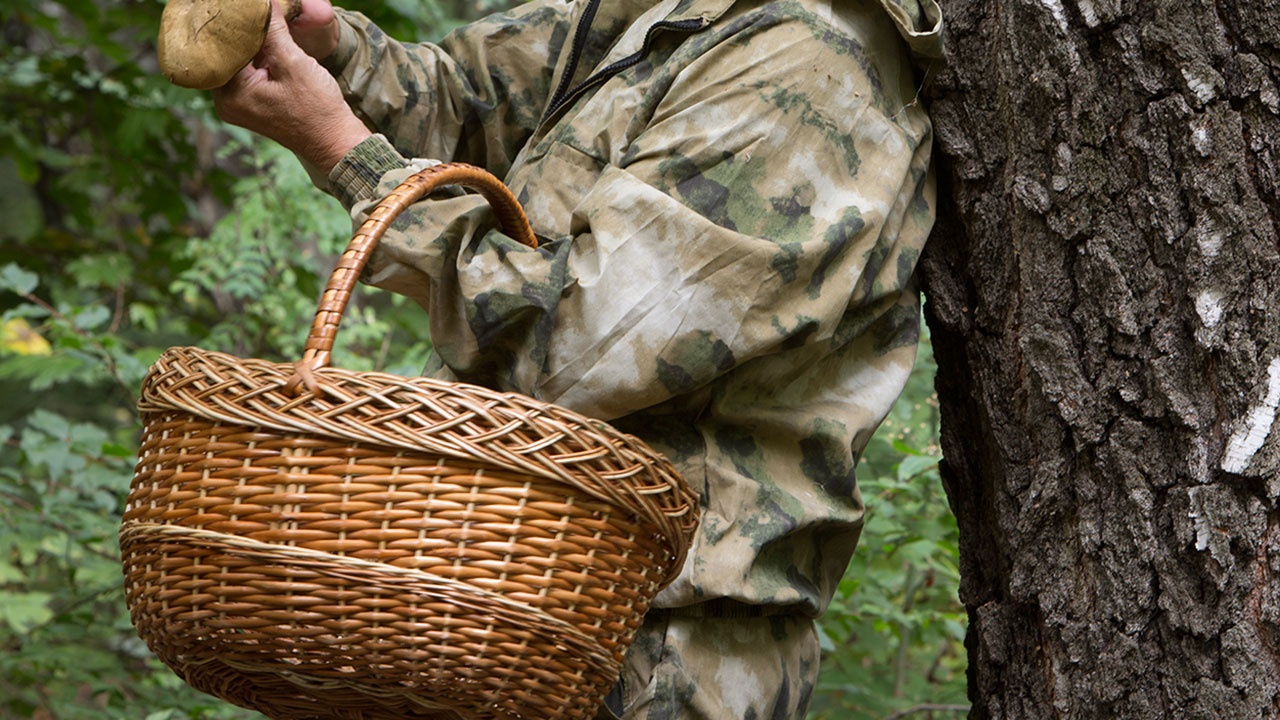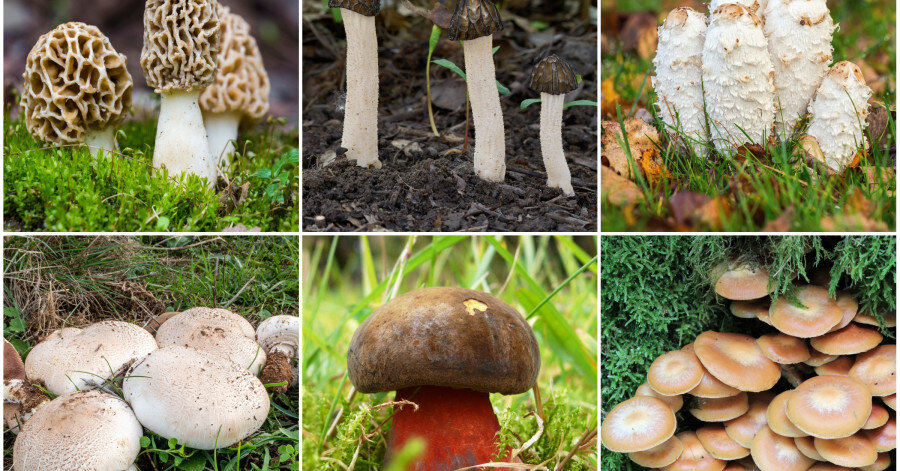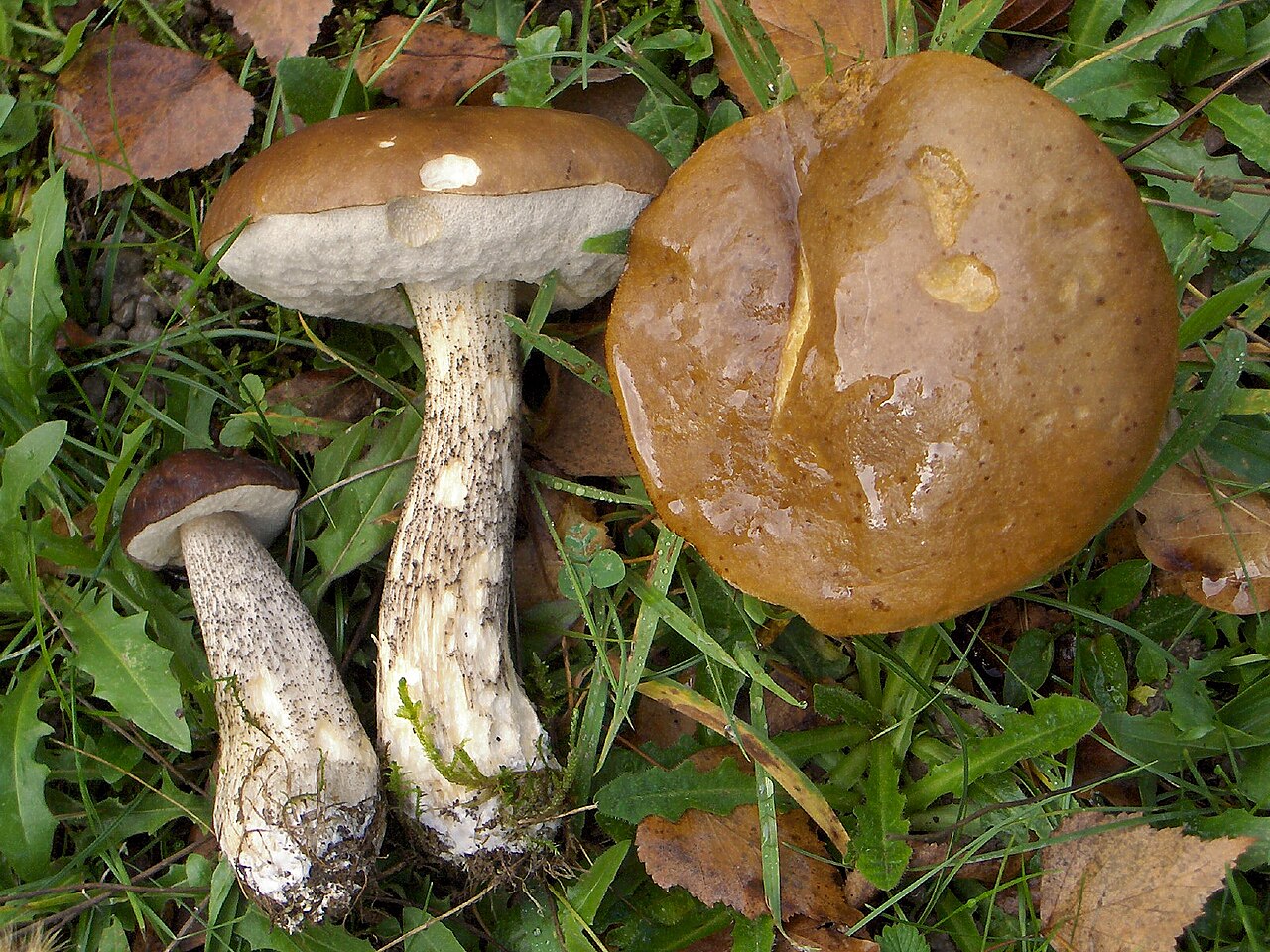




In recent years, healthy lifestyle enthusiasts are increasingly ditching synthetic pharmacy bottles in favor of natural remedies. The medicinal potential of forest finds has proven to be so great that a real quiet hunt of a new format has begun for them. People have realized that natural adaptogens help the body cope with daily stress, chronic fatigue, and poor ecology much more gently and effectively. Tree mushrooms have become the main heroes of this forest trend, among which birch chaga and lion’s mane are deservedly recognized as the absolute leaders. These seemingly inconspicuous polypores hide a whole arsenal of valuable compounds.
Bioactive substances in the composition of chaga and lion’s mane
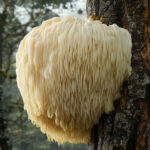
Looking at the chemical composition of these mushrooms, it becomes crystal clear why there is so much hype around them. Birch chaga is a dense concentrate of survival. Its dark, cracked crust contains a huge amount of melanin, while the inner layers are rich in betulinic acid and various microelements. These bioactive substances help cells regenerate and protect them from destruction by free radicals. Lion’s mane works quite differently. Its main value lies in erinacines and hericenones. These are unique compounds capable of crossing the blood-brain barrier. Simply put, lion’s mane literally forces our brain to renew neural connections, improving memory, focus, and sleep quality.
Recent clinical studies on the properties of polysaccharides
The thinking public is currently showing particular interest in complex carbohydrate molecules. And this is no coincidence, as recent clinical studies on the properties of polysaccharides show simply amazing results. It turned out that beta-glucans, which are abundant in both mushrooms, act as smart immunomodulators. They do not stimulate the body like an energy drink, but gently tune the immune system: they force it to fight viruses more actively while reducing unwanted autoimmune reactions. Scientific papers confirm that lion’s mane polysaccharides are also involved in regulating cholesterol levels and protect blood vessels from plaque formation. Scientists continue to study these mechanisms, but it is already obvious that the potential of complex mushroom carbohydrates is enormous.
The correct harvesting of polypores for home extracts
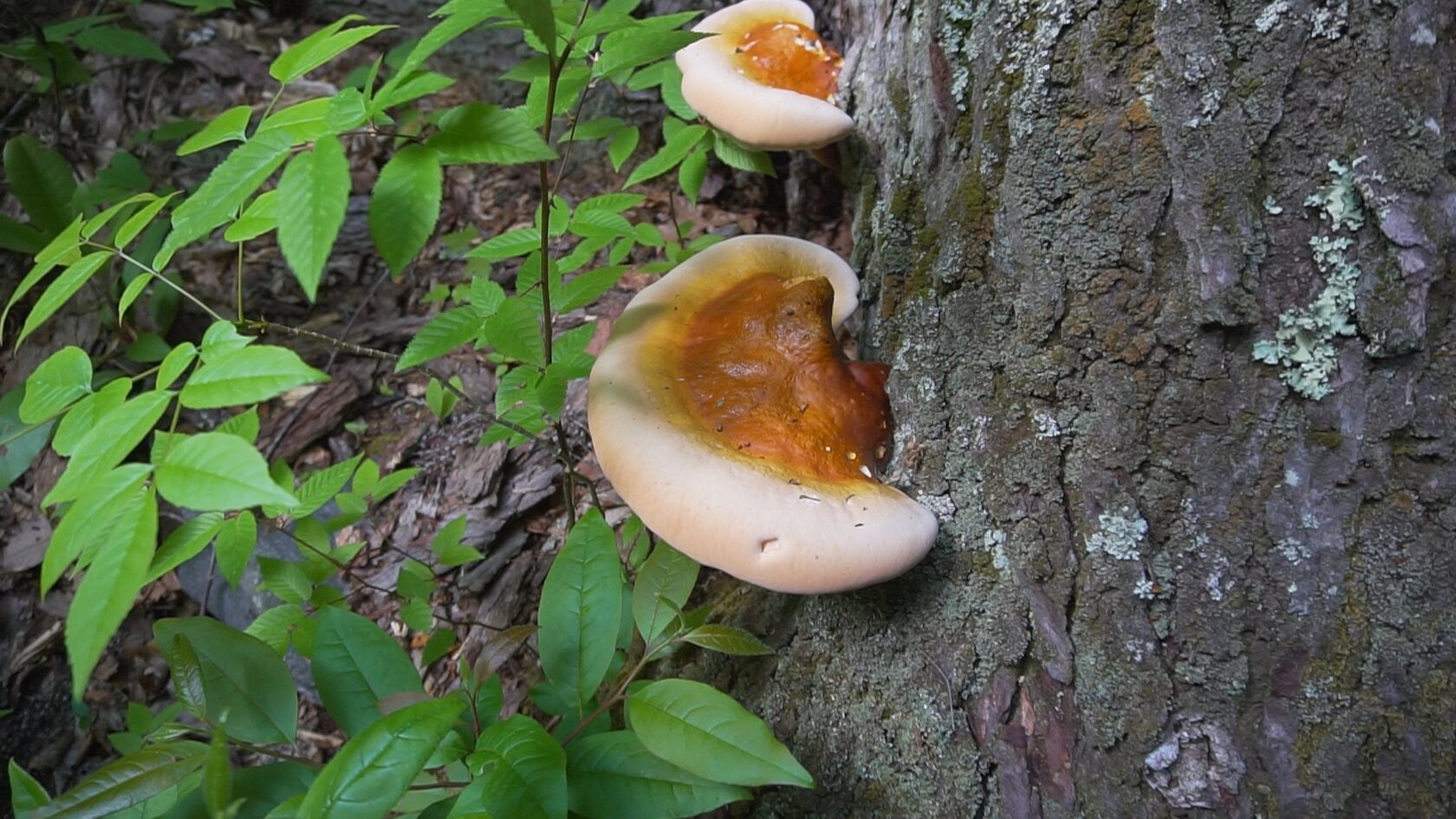
Finding and bringing a valuable mushroom from the forest is only the beginning of the journey. All the benefits can easily be destroyed if the processing technology is violated. The correct harvesting of polypores requires an understanding of the process. Chaga should only be harvested from living birch trees, carefully chopped off with an ax. It should be dried at room temperature: strong heat in the oven will simply kill most of the valuable enzymes. Lion’s mane also requires careful handling and delicate drying in a shaded, cool place. The most common mistake beginners make is trying to simply brew the mushrooms in a teapot. Regular boiling water can extract mostly just the polysaccharides from them. To obtain the absolutely full spectrum of substances for home extracts, including triterpenes and betulin, it is necessary to use the double extraction method. First, the crushed raw material is infused in strong alcohol for several weeks, and then this same pomace is slowly simmered in hot water for a long time. Only by mixing these two filtered liquids together will you get a true concentrate of forest health.