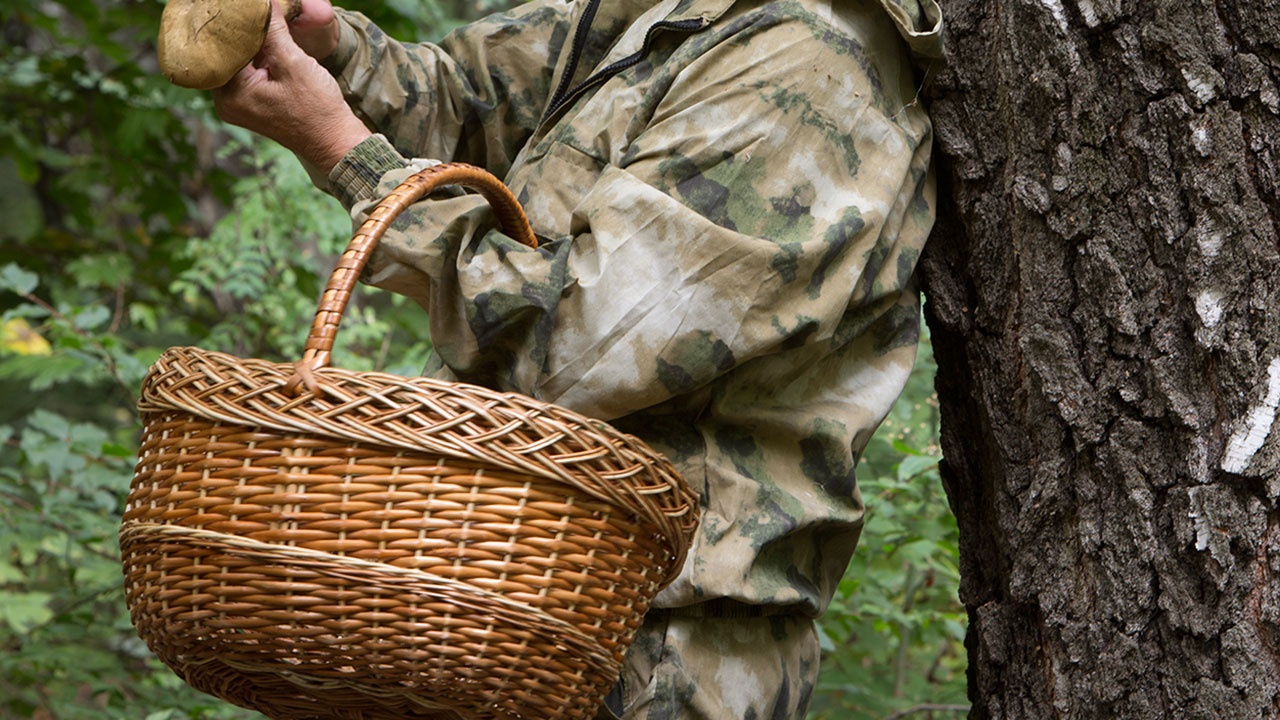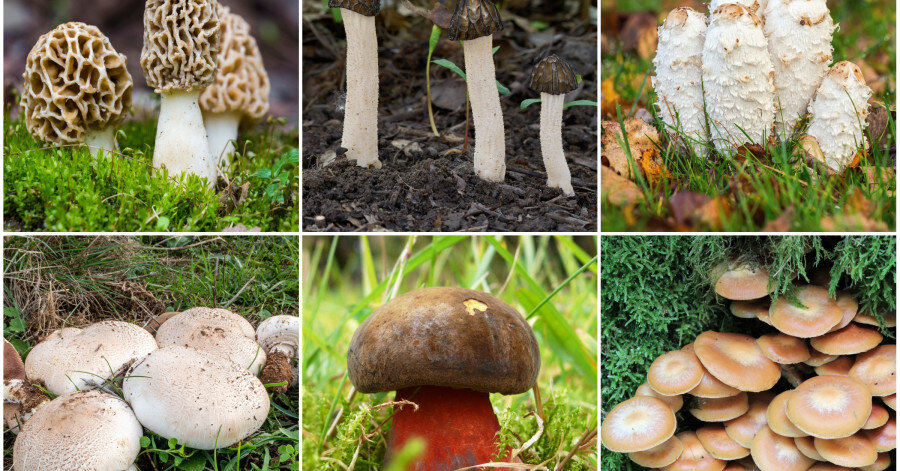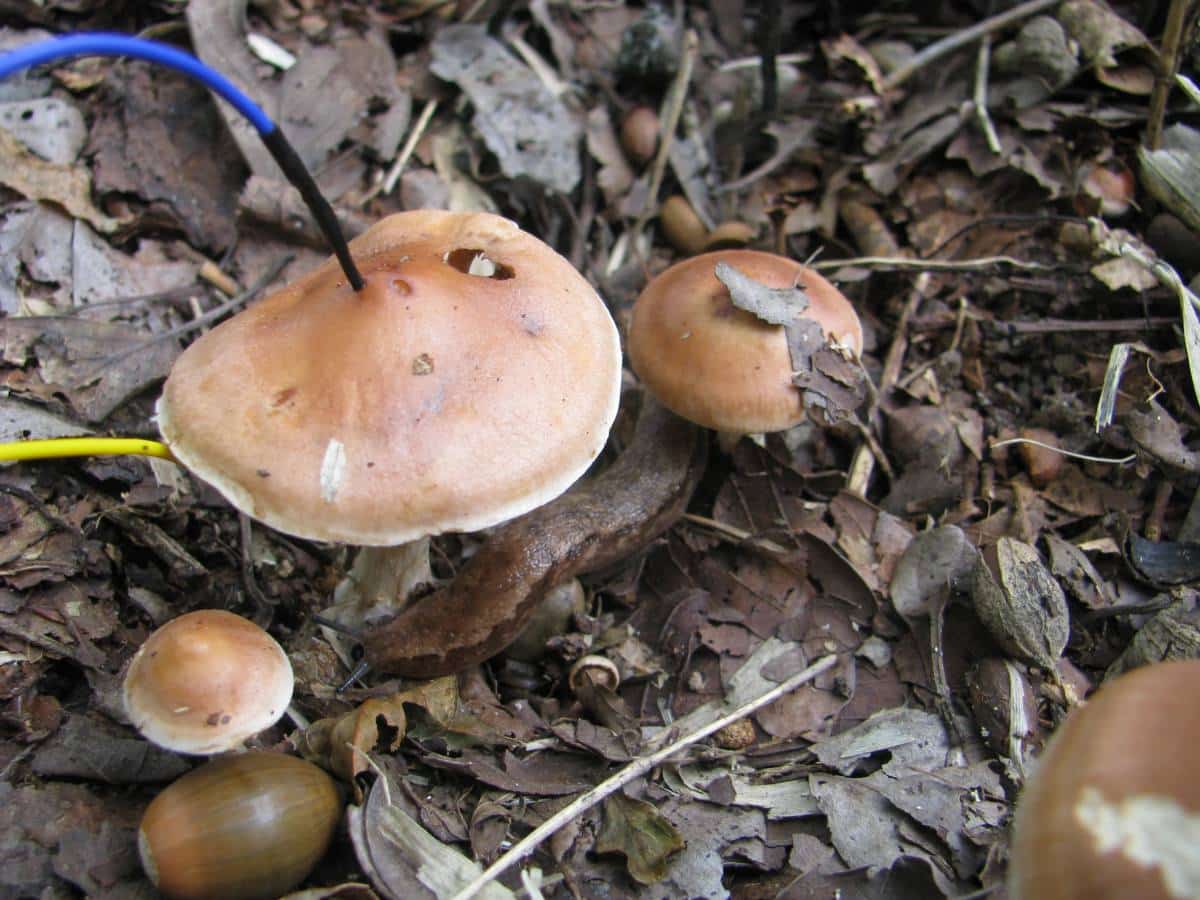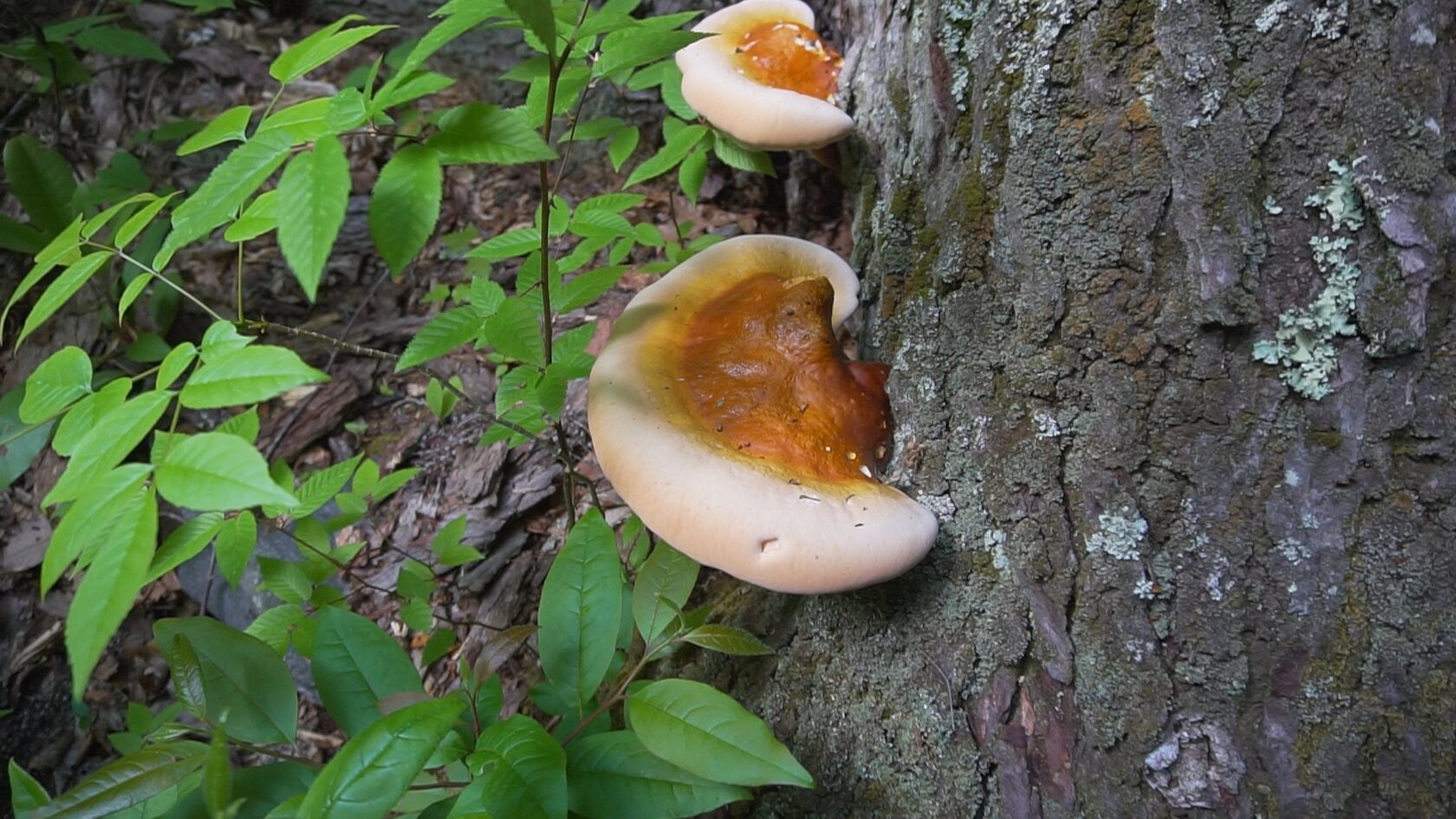

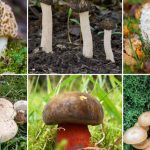
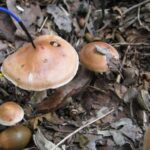
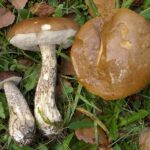
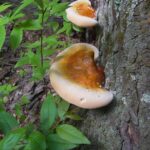


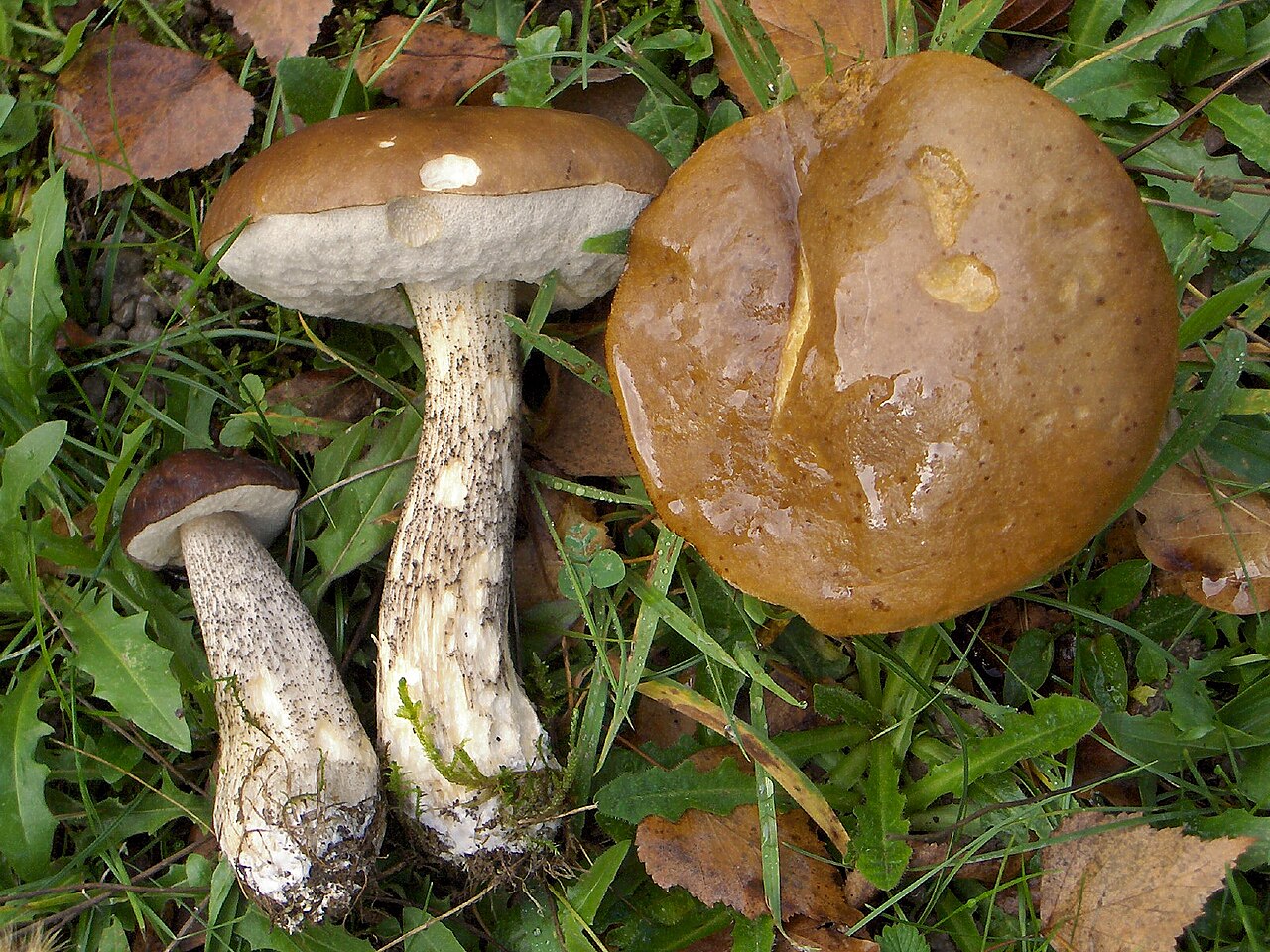
Many mushroom pickers treat the brown birch bolete with slight condescension, preferring the regal porcini mushroom. But this modest forest dweller with a muted brown cap hides a lot of surprises. Among the people, it is affectionately called “obabok” or “chernogolovik”. The main condition of its life is embedded in its very name: the mycelium cannot exist without birch roots. Sometimes a sturdy little barrel can be found right in the middle of tall grass in a field. This means only one thing: somewhere underground, an invisible birch root has reached this place. These mushrooms grow incredibly fast, but they age just as rapidly, so in the forest, you need to look for young specimens with a dense, hemispherical cap.
On the benefits for the body and the hidden properties of the forest healer
The brown birch bolete is considered not just a tasty addition to potatoes, but a real natural sponge. The whole secret lies in chitin, which the walls of mushroom cells are rich in. Once in the stomach, this element works as a powerful adsorbent: it gently collects and removes toxins from the body. In addition, the flesh contains a solid dose of potassium, phosphorus, and B vitamins. Regular consumption of such dishes helps regulate digestion and even helps lower blood sugar. It turns out to be an ideal product that satiates and brings real benefits.
How to properly clean and cook brown birch boletes at home
The main mistake of novice cooks lies in boiling them for too long. Arguments about whether these mushrooms need to be boiled beforehand before frying are constant. Experienced chefs are sure of one thing: long heat treatment in water kills all the unique forest aroma. Preparation must be delicate. The surface of the stem is covered with small scales, to which sand and pine needles stick tightly. The most convenient solution: use a stiff brush. It is enough to carefully brush the stem, remove forest debris, and quickly rinse the catch under running water.
Culinary ideas for dark mushroom broth and roast
An important feature of the brown birch bolete is that its flesh darkens significantly during any heat treatment. There is absolutely no need to be afraid of this. If you decide to make soup, be prepared for an interesting result: the broth will turn out a rich dark color with an incredibly thick smell. For frying, the algorithm of actions is simple: we take a pan, heat the oil, and throw the chopped pieces there along with the onions. They pair perfectly with heavy cream, garlic, and fresh thyme. Softened or overgrown caps are also easy to put to use: they make a luxurious mushroom caviar or a juicy filling for homemade pies.