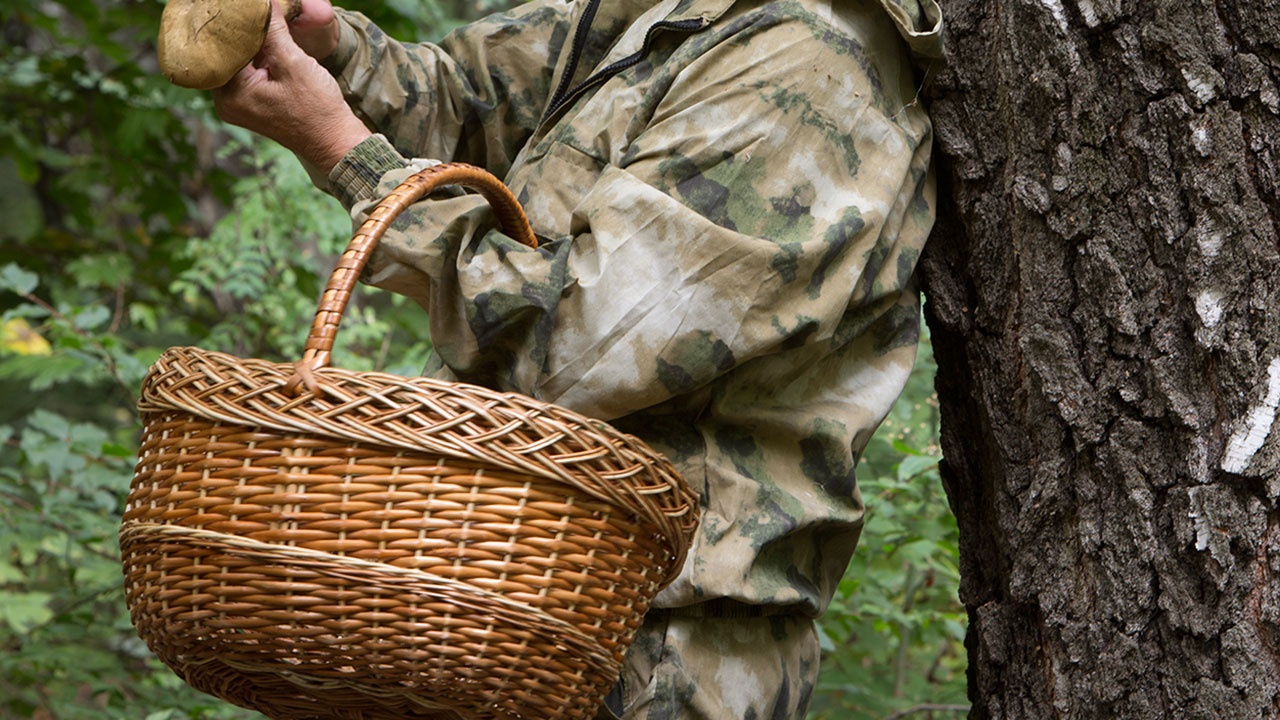
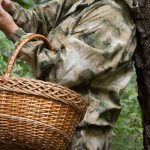
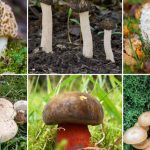
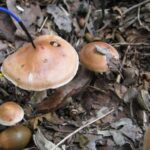
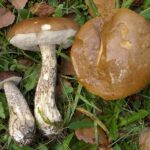


The quiet hunt beloved by many is no longer just a carefree walk in the woods. Environmental protection legislation is changing rapidly, and now a basket of mushrooms can cost you dearly. Specifically for wildmushrooms.ws readers, we analyzed the latest information for 2026 on why harvesting rules have become stricter and what to prepare for before heading into the thicket. The government has taken the protection of endangered species seriously, so ignorance of the law will no longer exempt you from liability.
What rare mushrooms can lead to severe penalties
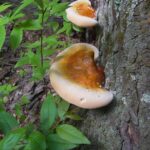
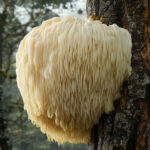
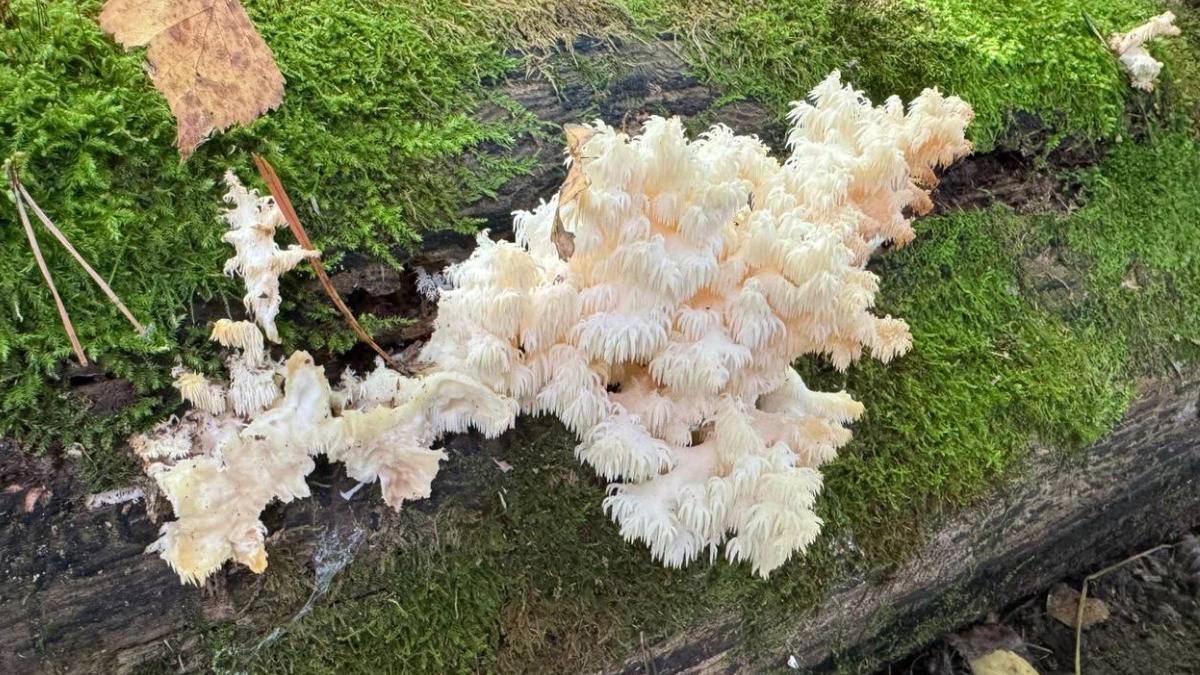
You can find absolutely fantastic specimens in our forests. For example, sarcosoma globosum resembles strange brown barrels filled with liquid, and hericium coralloides looks like real white lace on a tree trunk. Your hand just reaches out to pick them out of curiosity or for an unusual photo. You absolutely must not do this, because both of these species are listed in the Red Data Book. Now there are very real and tangible fines for collecting such rare finds: for ordinary citizens, they can reach several thousand rubles. Even if you accidentally damaged the mycelium or simply kicked a protected mushroom, a forest inspector has every right to issue you a citation.
How mushroom picking rules work and what amounts you will have to pay
Financial penalties hit the wallet quite hard. At the federal level, an ordinary mushroom picker will pay from two and a half to five thousand rubles for accidentally cutting a protected species. Regions are not lagging behind in tightening measures either. In the Moscow region, new amendments were adopted in the spring of 2026: now local fines range from one to three thousand rubles for a single illegal trophy. If we are talking about officials or companies, the numbers soar to a hundred thousand and higher. The harshest punishment awaits those who intentionally collect particularly valuable species for sale. In such severe cases, real criminal liability is envisioned with million-ruble fines and even actual prison terms.
How to safely go into the forest and not get a fine
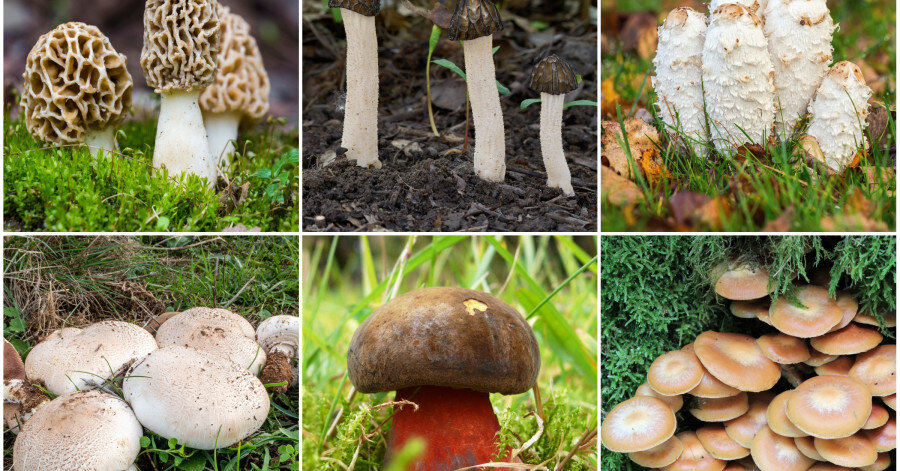
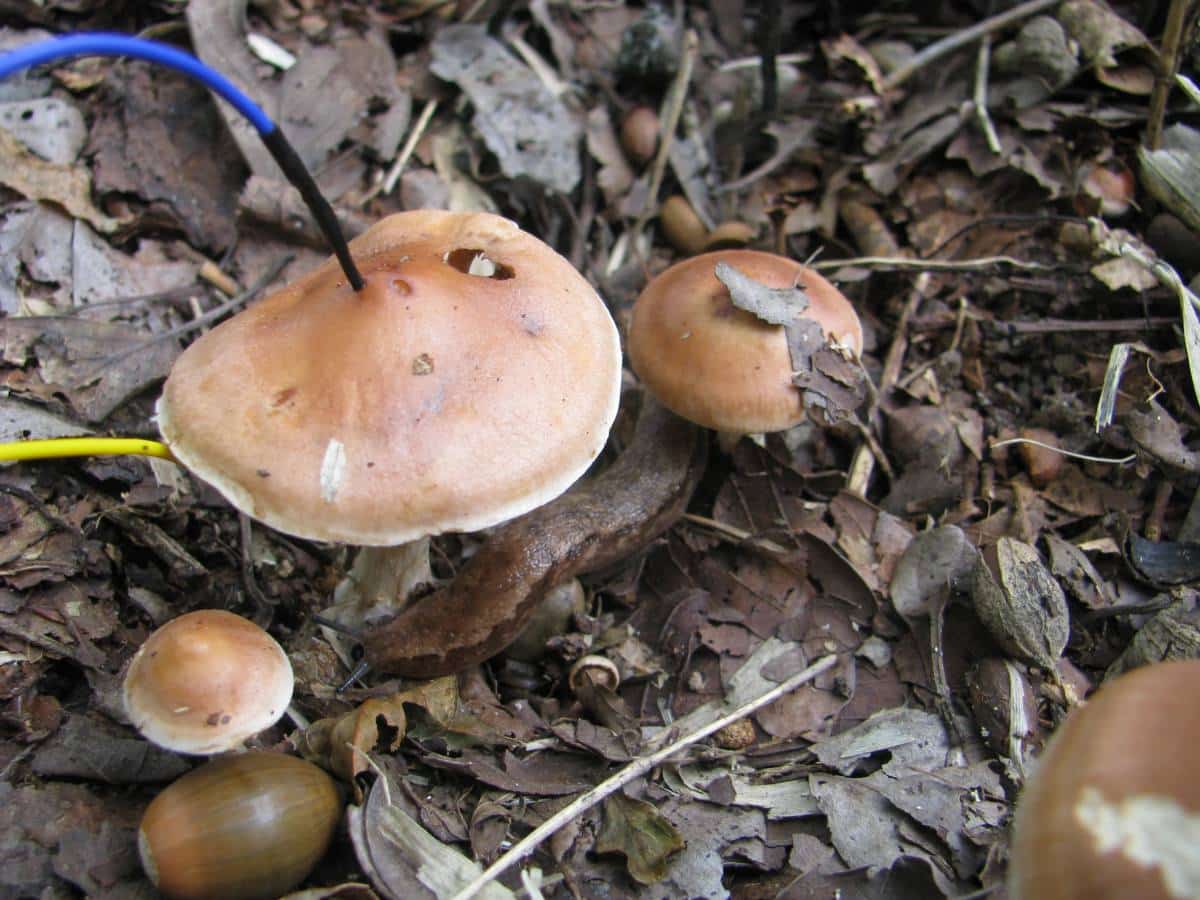
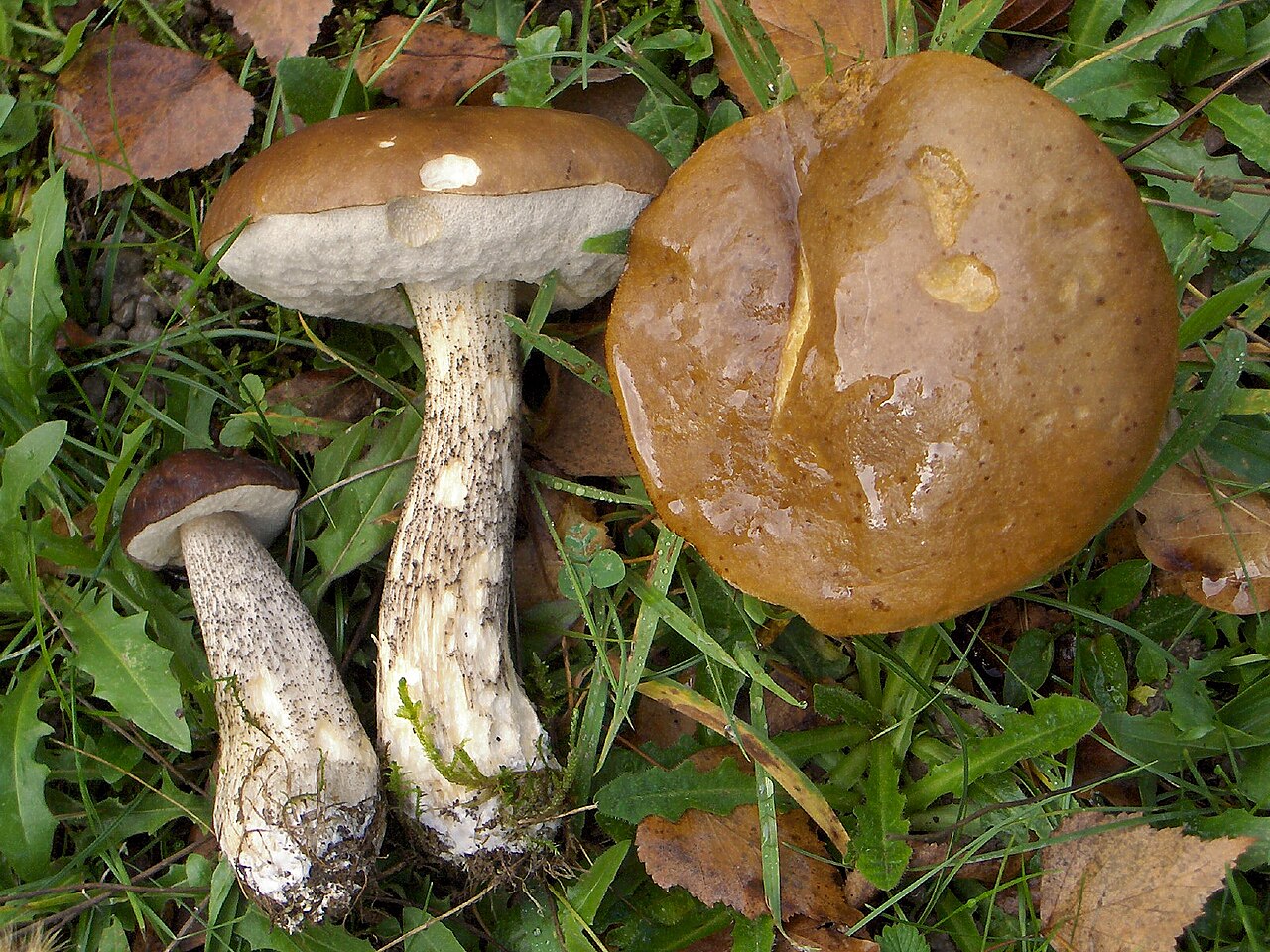
You can freely collect common honey fungus, porcini, or chanterelles if you are not in a restricted nature reserve or national park. The only problem is that many people simply do not know what state-protected species look like. Experienced foragers advise opening your region’s Red Data Book before the start of the season and carefully studying the photos of mushrooms prohibited for collection. The main rule of the quiet hunt today sounds extremely simple – if you doubt your find, it is better to walk past it. This simple action will save you from unpleasant conversations with inspecting authorities and help preserve the fragile forest ecosystem for future generations.