'/%3E%3C/svg%3E)




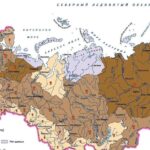


Just a couple of decades ago, every experienced mushroom picker knew exactly which forest to visit and on which week to go for their harvest. Now, these old calendars can safely be put away on a distant shelf. Climate change, prolonged periods of heat, and the shifting of rainy seasons have completely redrawn the map of mushroom spots. Familiar habitats are changing rapidly, and the forest now presents us with entirely new surprises. The main rule of a modern mushroom picker: always monitor the actual weather, rather than the date on the calendar.
The shift in the mushroom foraging season due to climate changes
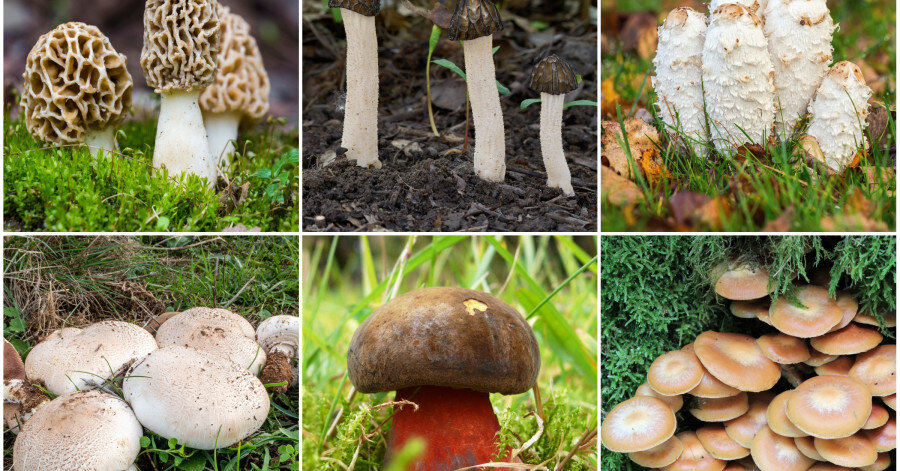
The shift in the mushroom foraging season has become an obvious fact for all lovers of the quiet hunt. While the peak traditionally occurred at the end of summer and the beginning of autumn, the time frames have now become heavily blurred. Spring arrives much earlier, so the first morels appear as early as the very beginning of April. Meanwhile, autumn spoils us with warmth for much longer. Meteorologists and mycologists note a trend that has firmly taken root in recent years. Due to prolonged warmth, the mushroom season stretches for months. Now you can gather a basket of sturdy porcini even in late October or early November, provided nature spares us from early frosts. Warm weather triggers ever new waves of fruiting, forcing us to completely reconsider our usual schedule of forest walks.
Why southern mushroom species are massively moving to northern latitudes
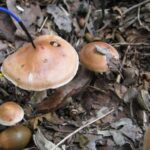
Perhaps the most surprising consequence of warming is the migration of heat-loving species. What used to be considered an exotic feature of southern regions now grows easily in the forests of the middle zone and even creeps far north. Spores are carried by the wind over huge distances, and mild winters combined with hot, lingering summers allow the mycelia to successfully establish themselves in new territories. In coniferous and mixed forests, people increasingly find the golden bolete, which until recently lived exclusively in warmer climates. Other unusual guests, such as Caesar’s mushroom, are also appearing. Northern forests are gradually acquiring a southern flair, so all we can do is keep updating our knowledge and studying species that are new to our latitudes.
The impact of severe drought on the yield of porcini and chanterelles
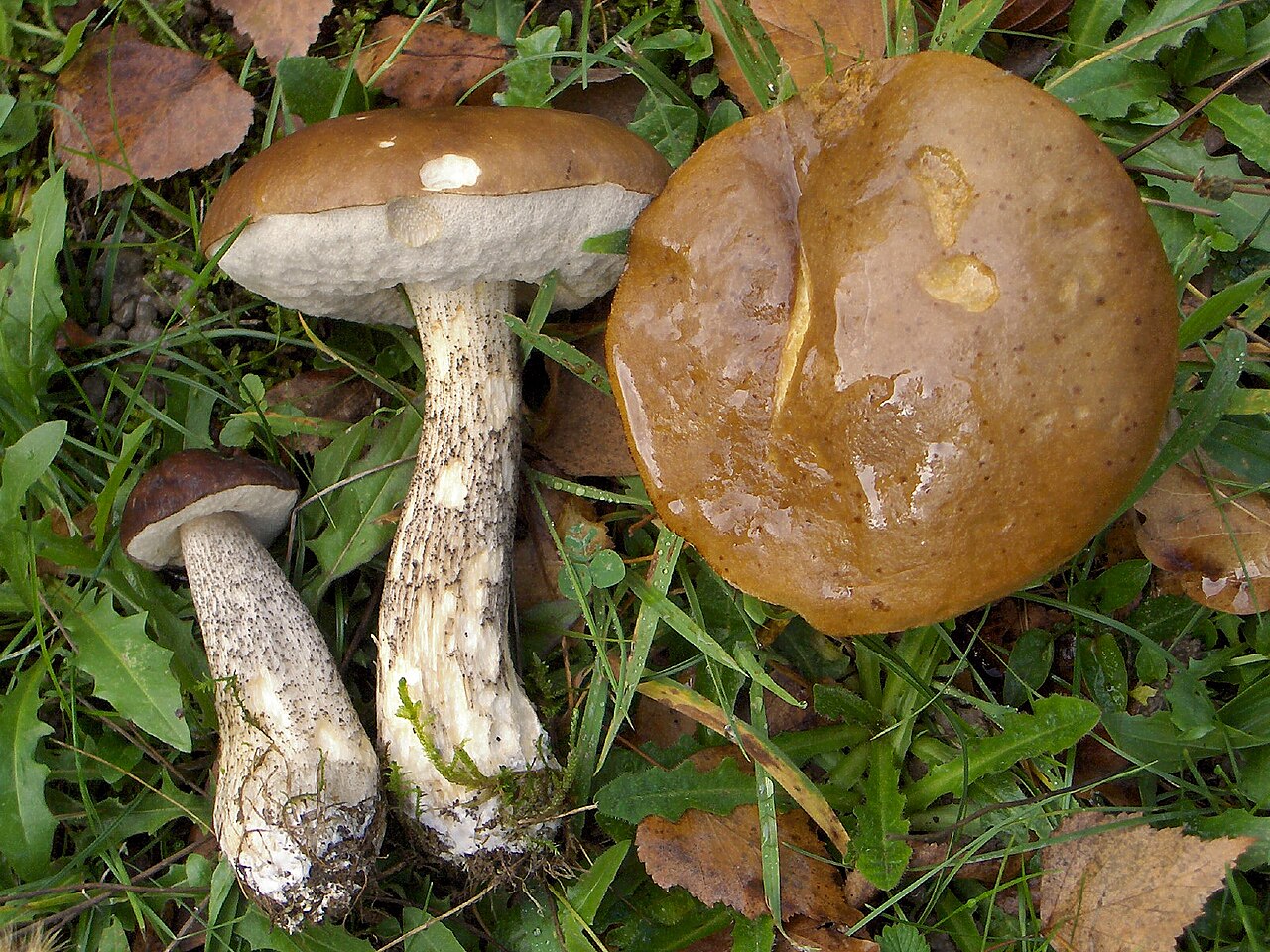
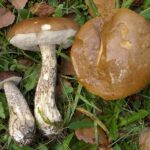
The yield of noble mushrooms has always depended on the fragile balance of heat and moisture. However, the increasingly frequent dry spells hit forest ecosystems particularly hard. The porcini mushroom is very capricious. It needs temperature swings and well-moistened soil. If a multi-week drought sets in, the mycelium simply freezes and refuses to bear fruit. During such periods, searching for porcini on familiar bright edges or dry hillocks is absolutely useless – they hide in deep lowlands, ravines, and shady thickets.
With chanterelles, the situation is slightly different. These orange mushrooms are famous for their incredible resilience. They do not get wormy or rot from excess moisture, but under conditions of severe drought, their growth stops completely. If there is no rain, chanterelles massively migrate to damper places. During a dry spell, you should look for them in swampy areas, among thick green moss, where remnants of forest dampness are still preserved. As soon as heavy rains pass, they can quickly make up for lost time, producing a huge harvest.
This whole situation teaches us to be more flexible and observant. The climate dictates new rules, and a successful forest hike now depends on the ability to observe nature and quickly adapt to its changeable mood.